
How Your Pool Pump Works and What to Know Before Fixing It
A pool pump moves water from your pool through the filter and back again. It uses a motor to spin an impeller, which pulls water in and pushes it out with pressure. When any part of this system fails, water flow slows down or stops. Understanding these basic parts makes pool pump repair much easier and helps you spot problems early.
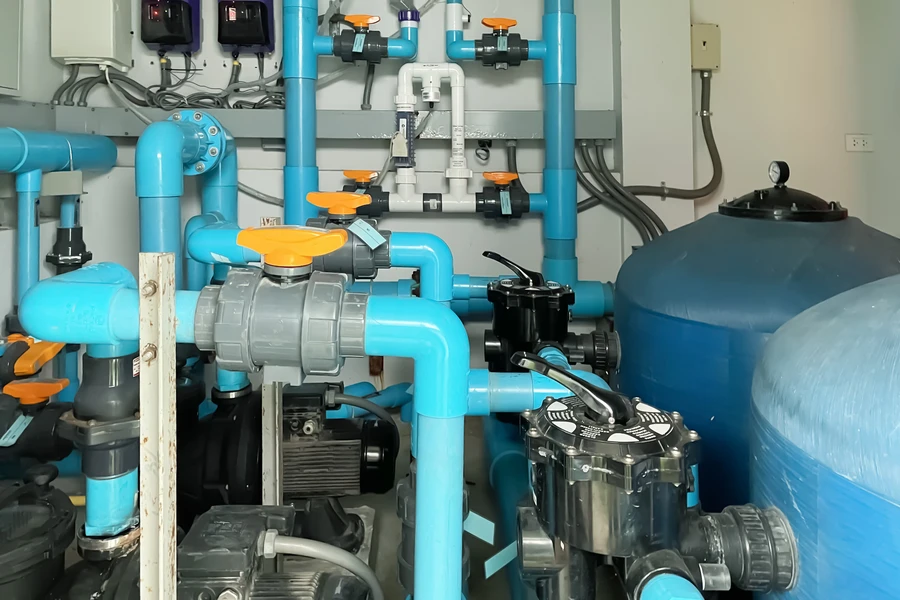
What a Pool Pump Actually Does
Your pool pump is the heart of the system. It pulls water through the skimmer and main drain. The water then passes through the pump basket, the impeller, and into the filter. After the filter removes dirt and debris, clean water returns to the pool.
There are three main parts inside most pumps:
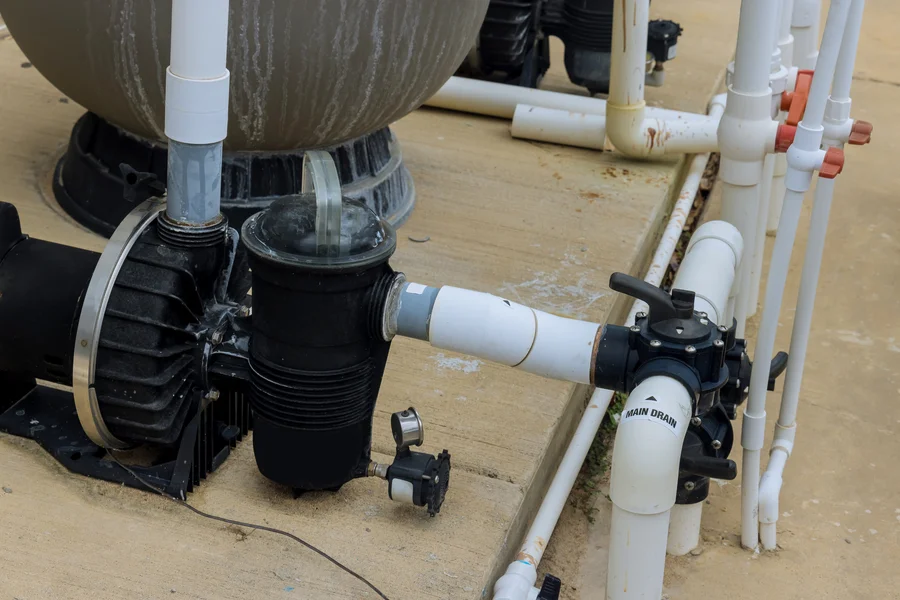
- Motor – powers the spinning action
- Impeller – pushes the water forward
- Pump basket – catches leaves and debris before they reach the impeller
If any of these parts stop working, your water can turn cloudy fast.
What You Need Before Starting a Basic Inspection
Before you try any pool pump repair, turn off the power at the breaker. Never work on the pump while it is running.
Gather a few simple tools:
- Screwdriver
- Pool-safe lubricant for O-rings
- Garden hose
- Clean cloth or rag
It also helps to have your pump manual nearby. Many homeowners skip this step and miss small details that matter.
Step-by-Step: Checking a Pool Pump for Problems
If your pump is noisy, not moving water, or will not start, follow these steps:
- Turn off power at the breaker.
- Remove the pump lid and check the basket for debris.
- Inspect the O-ring for cracks or dryness.
- Use a hose to rinse out the basket housing.
- Check that all valves are open.
- Turn the power back on and listen for strange sounds.
If the pump hums but does not spin, the motor may be jammed. If it starts then shuts off, it may be overheating. These signs help narrow down the issue before calling for professional help.
Common Mistakes Homeowners Make
Many people assume the motor is bad right away. In truth, most issues are simple. A clogged basket or blocked return line can stop water flow.
Another common mistake is running the pump dry. If air gets trapped inside, the pump can lose prime. This means it cannot pull water properly. Running it this way can damage seals and lead to bigger repair costs.
Some homeowners also ignore small leaks. A dripping seal may not seem serious, but it can damage the motor over time.
Basic Fixes Vs. Motor-Level Repairs
Some forms of pool pump repair are safe for homeowners. Cleaning the basket, replacing a lid O-ring, or tightening fittings are simple tasks.
More complex repairs involve:
- Replacing the motor
- Changing shaft seals
- Rewiring electrical parts
These repairs deal with electricity and moving parts. If you are not trained in pool equipment services, it is safer to call a professional.
How to Prevent Future Pump Problems
Prevention saves time and money. A few small habits make a big difference:
- Empty the pump basket weekly during swim season
- Keep water levels halfway up the skimmer
- Check for leaks around fittings
- Schedule routine equipment checks once a year
Also listen to your pump. New grinding, rattling, or screeching noises are early warning signs. Acting fast can prevent full motor failure.
When It Is Time to Call a Professional
If your pump will not turn on, trips the breaker, smells like burning, or keeps losing prime, those are signs the problem is deeper. Electrical issues and internal motor damage should be handled by someone with the right tools and training.
Getting help early often costs less than waiting. Small fixes can turn into full replacements if ignored too long.
Get Reliable Help With Your Pool System
If you are having trouble with your pool system in Aurora, IL, I can help diagnose the issue and explain your options clearly. At A & Sons Pool Service, I handle pool pump repair and related equipment problems with careful attention to detail. Call me at (630) 278-6633, and I will personally take a look and help get your pool running the way it should.