
Why Pool Pumps Fail and What You Can Do About It
Pool pump problems usually show up as loud noises, weak water flow, leaks, or a pump that will not start. These issues often come from clogged filters, worn parts, air leaks, or electrical trouble. Pool pump repair focuses on finding the source fast and fixing it before the damage spreads. When caught early, many pump problems are simple and affordable to fix.
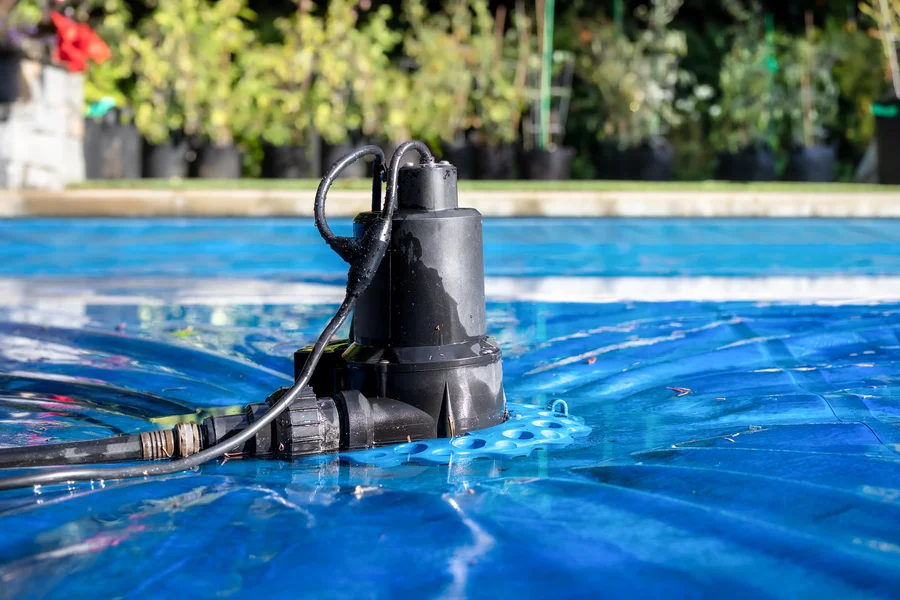
Common Symptoms of a Failing Pool Pump
Your pool pump will often give warning signs before it stops working fully. Watching for these signs can save you from a bigger repair later.
- Pump will not turn on
- Low or weak water pressure
- Grinding or screeching noises
- Water leaking around the pump
- Air bubbles coming through return jets
- Pump shuts off on its own
If you notice one or more of these signs, it is time to inspect the system or call for pool pump repair service.
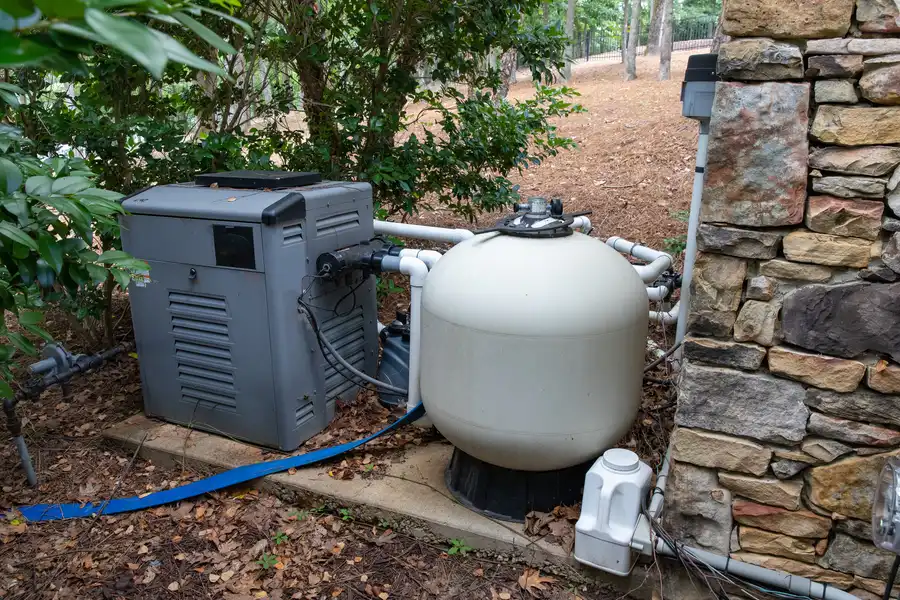
Likely Causes Behind These Problems
Pool pumps work hard every day. Over time, parts wear down or get blocked. Here are some common causes behind pump failure:
- Clogged pump basket: Leaves and debris block water flow.
- Dirty pool filter: When the filter is packed with dirt, the pump strains.
- Worn motor bearings: These cause loud grinding sounds.
- Broken shaft seal: This leads to water leaks near the motor.
- Air leaks in suction line: Cracked pipes or loose fittings let air in.
- Electrical issues: Bad wiring or a tripped breaker can stop the pump.
Each issue needs a different fix. That is why proper diagnosis matters. Guessing can lead to wasted time and money.
What to Check First Before Calling for Help
There are a few simple checks you can do before scheduling a pool pump repair visit.
- Turn off the power at the breaker for safety.
- Check the pump basket and remove debris.
- Inspect the pool filter and clean it if needed.
- Look for loose fittings or visible cracks in pipes.
- Reset the breaker if it has tripped.
If the pump still will not run or makes loud noises, the problem may be deeper inside the motor or seal assembly.
Safe Fixes Vs Professional Repairs
Some small problems can be handled by a pool owner. Others should be left to a trained technician.
Safe for homeowners:
- Cleaning baskets and filters
- Tightening loose fittings
- Replacing simple O-rings
Best left to professionals:
- Motor replacement
- Seal plate repair
- Bearing replacement
- Electrical troubleshooting
- Full pump rebuilds
Working on the motor or wiring without training can cause injury or more damage. A poor repair may shorten the pump’s life.
How to Prevent Future Pump Problems
Regular care makes a big difference. A well-maintained pump can last many years.
- Clean the pump basket weekly during swim season.
- Backwash or clean the filter on schedule.
- Keep water levels at the proper height.
- Check for small leaks before they grow.
- Schedule routine system inspections.
Many pool owners forget that the pump is the heart of the system. When it struggles, the entire pool suffers. Water gets cloudy, chemicals do not circulate, and algae can grow fast.
When It Is Time to Schedule Pool Pump Repair
If your pump is over 8 to 10 years old and needs frequent repairs, replacement might make more sense. If it suddenly stops working, smells like it is burning, or keeps tripping the breaker, stop running it right away. These are signs of serious trouble.
Quick action keeps repair costs lower and protects the rest of your pool equipment. Ignoring early warning signs often leads to full pump failure.
Get Reliable Help for Your Pool System
If you are dealing with pump problems in Aurora, IL, I can inspect the system and pinpoint the issue quickly. At A & Sons Pool Service, I focus on honest advice and dependable repairs. Call me at (630) 278-6633 to schedule service or ask questions about your pool pump repair needs. I am here to help you keep your pool running strong.